 Explore
 Hotel
ExploreHotel
Explore
Hotel
ExploreHotel
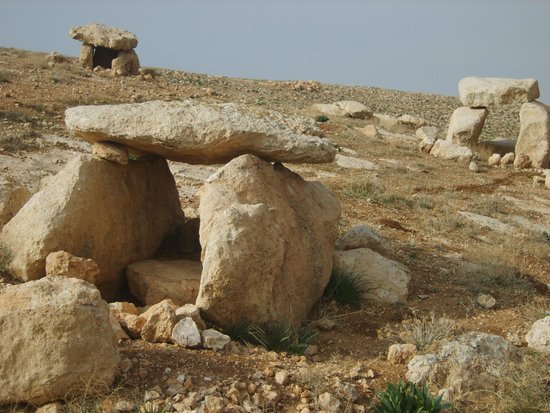
Wadi Jadid is a relatively undiscovered archaeological site located in the hills near Madaba, Jordan. It is characterized by the presence of numerous dolmens – prehistoric stone structures believed to be tombs. The site is not heavily publicized, and access can be challenging, often requiring assistance from locals. It's situated in a pastoral landscape used by shepherds, contributing to its secluded and authentic atmosphere. The dolmens provide a fascinating insight into the region's ancient history and burial practices. Visitors often describe a sense of tranquility and historical significance.

Wadi Jadid is best suited for travelers interested in archaeology, ancient history, and off-the-beaten-path destinations. It appeals to those who appreciate a sense of adventure and are willing to make an effort to reach remote locations.

Spring (March-May) and autumn (September-November) offer the most pleasant weather conditions.

Weekdays are likely to be less crowded than weekends, although the site is rarely busy. Morning or late afternoon are recommended to avoid the midday heat.

Accessibility is limited. The site is located in a rugged, natural terrain with uneven ground. It is not suitable for individuals with mobility impairments or those using wheelchairs. Access requires navigating unpaved roads and potentially walking some distance from the parking area.

The site is not particularly geared towards children. There are no dedicated facilities for families, such as restrooms or changing rooms. Supervision is essential due to the uneven terrain and potential hazards.

Not known; not recommended due to the terrain.

There are no food facilities or restrooms available at Wadi Jadid. Visitors should bring their own food, water, and any necessary supplies.









Review not found
Let others know your experience here.