 Explore
 Hotel
ExploreHotel
Explore
Hotel
ExploreHotel
Hotel
ExploreHotel
Explore
Hotel
ExploreHotel
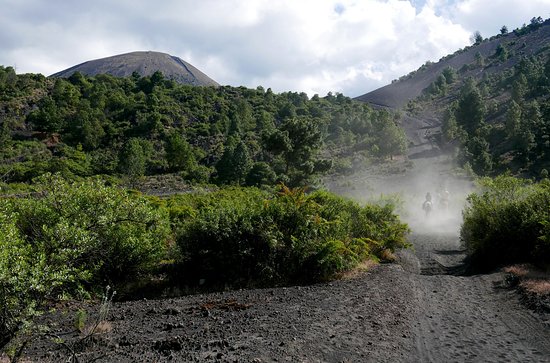
Paricutín Volcano is a cinder cone volcano located in the Mexican state of Michoacán, near Uruapan. It dramatically emerged from a cornfield in 1943 and erupted for nine years, burying the village of San Juan Parangaricutiro under lava and ash. Today, visitors can explore the ruins of the church, a poignant reminder of the volcano's power, and hike to the volcano's crater. The surrounding landscape is a unique volcanic terrain, offering a glimpse into the forces of nature. Access typically involves a horseback ride or a challenging hike.

This attraction is best suited for adventurous travelers, nature enthusiasts, and those interested in geology and history. It is particularly appealing to those who enjoy hiking and horseback riding.

The dry season (November to April) offers the best weather conditions for hiking and horseback riding.

Weekdays are generally less crowded than weekends. Early morning is recommended to avoid the heat of the day and potential afternoon cloud cover.

Accessibility is limited. The terrain is uneven and rocky, making it unsuitable for wheelchairs or those with mobility issues. Access to the volcano requires a horseback ride or a strenuous hike. The village of Angahuan has limited accessibility features.

The horseback ride can be enjoyable for older children, but the terrain is rough and may not be suitable for younger children. There are no specific facilities for children, such as changing rooms or dedicated play areas.

Pets are generally not allowed on the horseback ride or hike.

There are limited food facilities at the volcano site itself. Visitors should bring their own food and water. Restaurants and cafes are available in the nearby towns of Angahuan and Uruapan.








Review not found
Let others know your experience here.