 Explore
 Hotel
ExploreHotel
Explore
Hotel
ExploreHotel
Hotel
ExploreHotel
Explore
Hotel
ExploreHotel
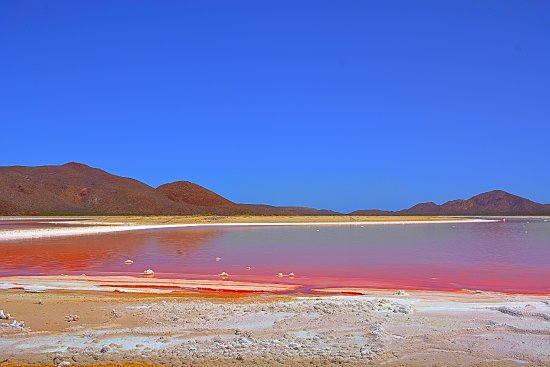
Isla Carmen is a large, uninhabited island located approximately six miles offshore from Loreto, Baja California Sur, Mexico. The island is renowned for its diverse ecosystems, featuring a striking pink lake formed by Dunaliella salina algae, extensive salt flats, and a rugged coastline. Historically, Isla Carmen was a site of mining operations, remnants of which can still be observed. Today, it's a popular destination for outdoor enthusiasts, particularly kayakers, snorkelers, and those interested in wildlife observation, including dolphins, whales, sea lions, and various bird species. Guided tours are readily available, offering insights into the island's geology, history, and ecology.

Isla Carmen is best suited for nature lovers, adventure seekers, kayakers, wildlife enthusiasts, and those seeking a remote and tranquil escape. It's particularly appealing to those interested in eco-tourism and exploring unique geological formations.

Spring (March-May) and fall (September-November) offer pleasant weather conditions. Winter (December-February) is also a good time to visit, with cooler temperatures and opportunities for whale watching.

Weekdays generally experience fewer visitors than weekends. Morning and late afternoon offer the best light for photography and wildlife viewing. Midday can be hot, especially during the summer months.

Accessibility is limited due to the island's natural terrain and lack of developed infrastructure. Kayaking tours may present challenges for individuals with mobility impairments. The historic mining town involves walking on uneven surfaces. The remote nature of the island makes it unsuitable for those with significant accessibility needs.

The island offers opportunities for children to learn about nature and wildlife. Kayaking tours may be suitable for older, more experienced children. The pink lake and wildlife sightings are likely to be engaging for kids. However, the remote location and lack of amenities require careful planning and supervision.

Pets are generally not allowed on tours or on the island.

Food facilities are limited. Guided tours typically provide meals and snacks. Visitors exploring independently should bring their own food and water. Restrooms are generally only available on tour boats or at designated beach locations during guided excursions.









Review not found
Let others know your experience here.