 Explore
 Hotel
ExploreHotel
Explore
Hotel
ExploreHotel
Hotel
ExploreHotel
Explore
Hotel
ExploreHotel
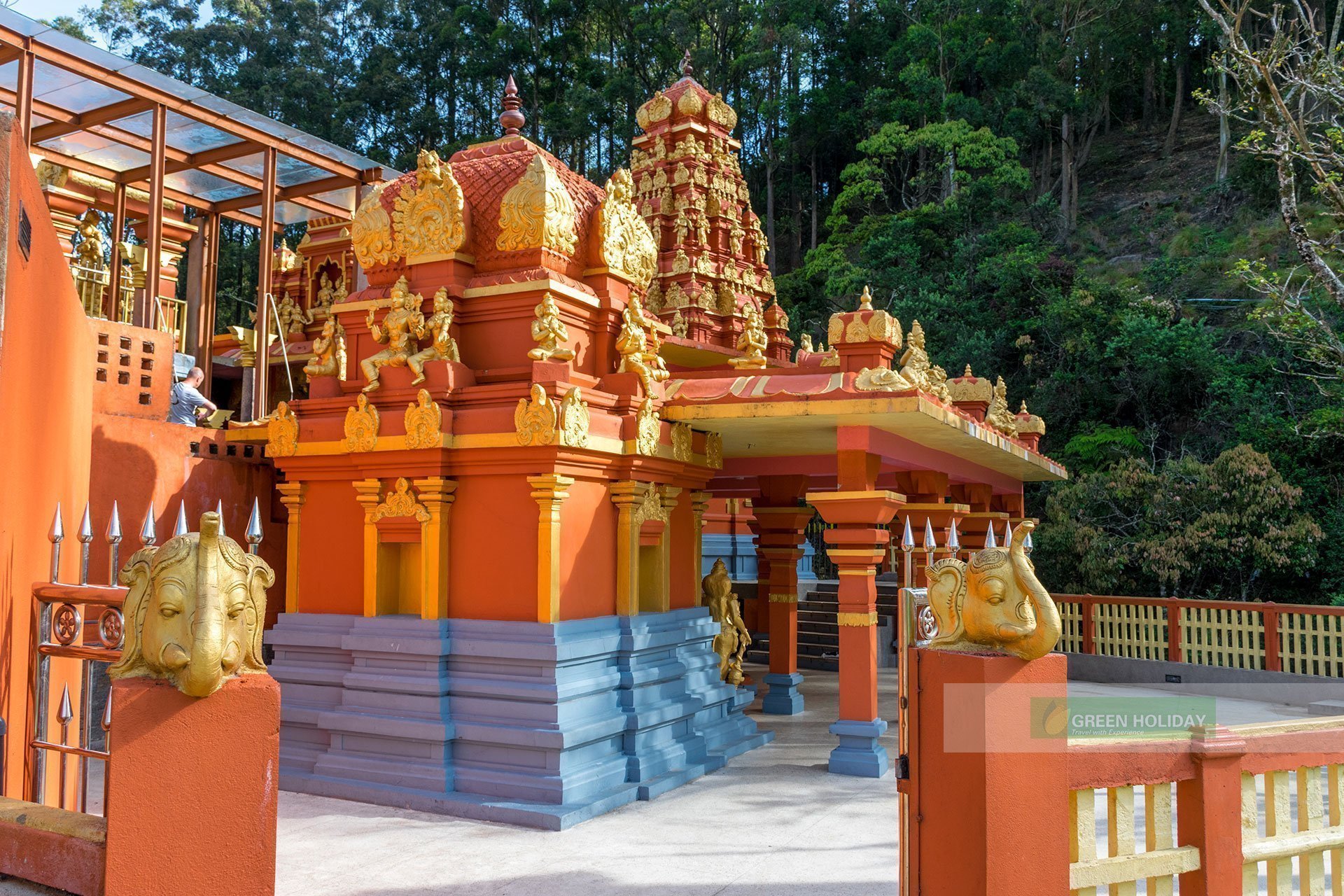
Vijayananda Temple holds a prominent place in the revival of Buddhism in Sri Lanka during the colonial period. It is renowned as the location where Colonel Henry Steel Olcott, a key figure in the Theosophical Society, publicly adopted the Five Precepts, marking his conversion to Buddhism. Following this event, Olcott spearheaded the establishment of Buddhist schools modeled after missionary schools, providing educational opportunities for Buddhist communities. The temple itself is relatively modest in appearance but houses valuable memorabilia and documents related to Olcott, including a handwritten letter. It serves as an important site for historians, scholars, and those interested in contemporary Sri Lankan Buddhism.

This attraction is best suited for historians, scholars of Buddhism, those interested in colonial Sri Lankan history, and individuals seeking a peaceful and contemplative experience.

The dry season (December to March) offers the most pleasant weather for visiting.

Weekdays are generally less crowded than weekends. Morning is recommended to avoid potential heat and crowds.

Accessibility information is limited. The temple is an older building and may present challenges for visitors with mobility impairments. It is advisable to inquire about accessibility features beforehand.

The temple is not specifically geared towards children. There are limited activities to engage young visitors, and the historical focus may not be of interest to all children. Stroller access may be difficult due to the temple's layout.

Pets are not allowed inside the temple.

There are no food facilities within the temple grounds. However, there are local restaurants and cafes within walking distance in the surrounding Colombo area. Restrooms are available for visitors.






Review not found
Let others know your experience here.