 Explore
 Hotel
ExploreHotel
Explore
Hotel
ExploreHotel
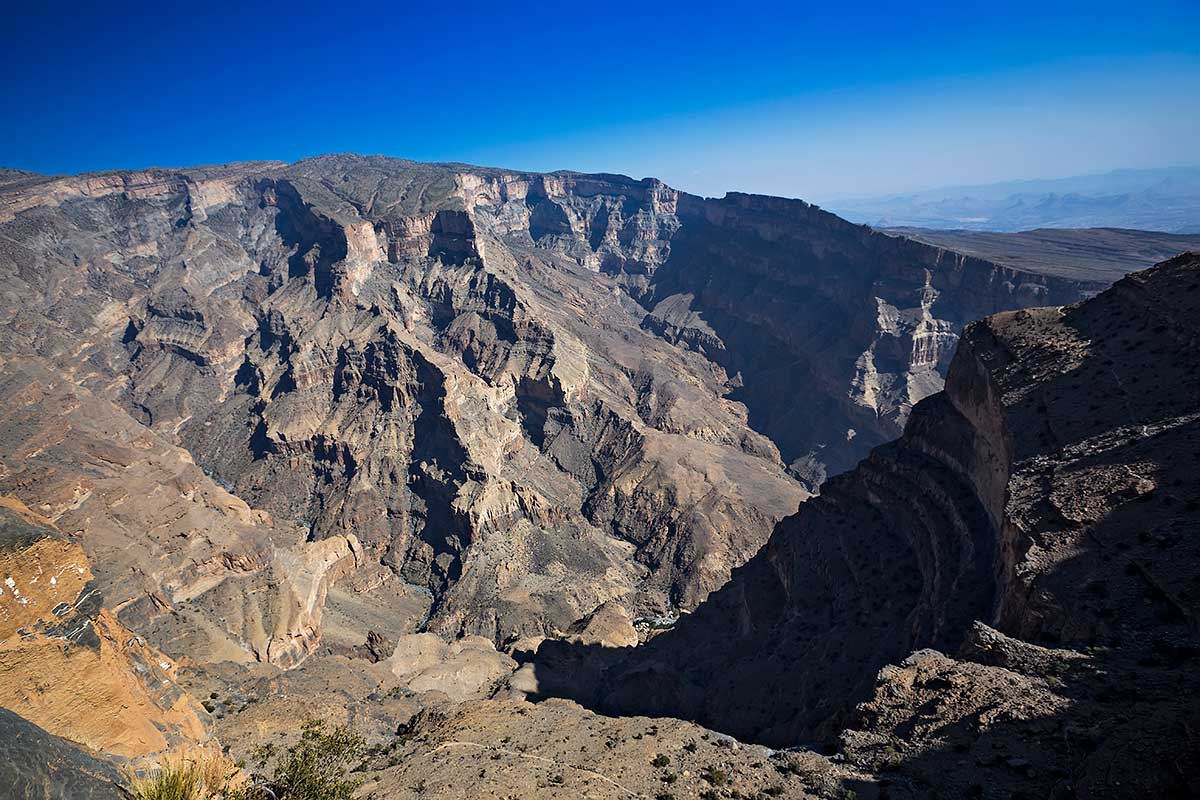
The Hajjar Mountains form a significant range in the Arabian Peninsula, stretching across parts of Oman and the United Arab Emirates. Characterized by rugged terrain, deep wadis, and a unique, often barren beauty, the mountains offer a stark contrast to the surrounding desert landscapes. The range is approximately 38,000 square kilometers and includes peaks exceeding 3,000 meters, such as Jebel Shams, often referred to as the 'Grand Canyon of Arabia'. Visitors can explore diverse flora and fauna, ancient villages, and experience the natural beauty of the region. The mountains have been shaped by geological forces and, in recent times, by quarrying activities to supply materials for construction projects in nearby cities.

The Hajjar Mountains are best suited for adventurous travelers, nature enthusiasts, hikers, and those seeking a unique and dramatic landscape. It's also appealing to photographers and those interested in experiencing a different side of the Arabian Peninsula.

The cooler months (October to April) are the most pleasant for visiting, with comfortable temperatures for hiking and exploration.

Weekdays are generally less crowded than weekends. Early morning or late afternoon offer the best light for photography and avoid the midday heat.

Accessibility is limited due to the rugged terrain. Many areas are only accessible by 4x4 vehicle. Hiking trails vary in difficulty, with some being quite challenging. Facilities for visitors with disabilities are scarce.

While the scenery is impressive, the mountains are not particularly geared towards young children. Stroller access is limited to paved areas near hotels. Hiking trails can be challenging for younger children. Restrooms are available at some hotels and viewpoints, but changing facilities are not common.

Pets are generally not allowed on hiking trails or in hotels. Check with specific accommodations for their policies.

Food options are limited within the mountains themselves. Hotels on peaks like Jabal Akhdar offer dining facilities. Visitors should bring their own food and water, especially when hiking or exploring remote areas. Picnic areas are not widely available.





Review not found
Let others know your experience here.