 Explore
 Hotel
ExploreHotel
Explore
Hotel
ExploreHotel
Hotel
ExploreHotel
Explore
Hotel
ExploreHotel
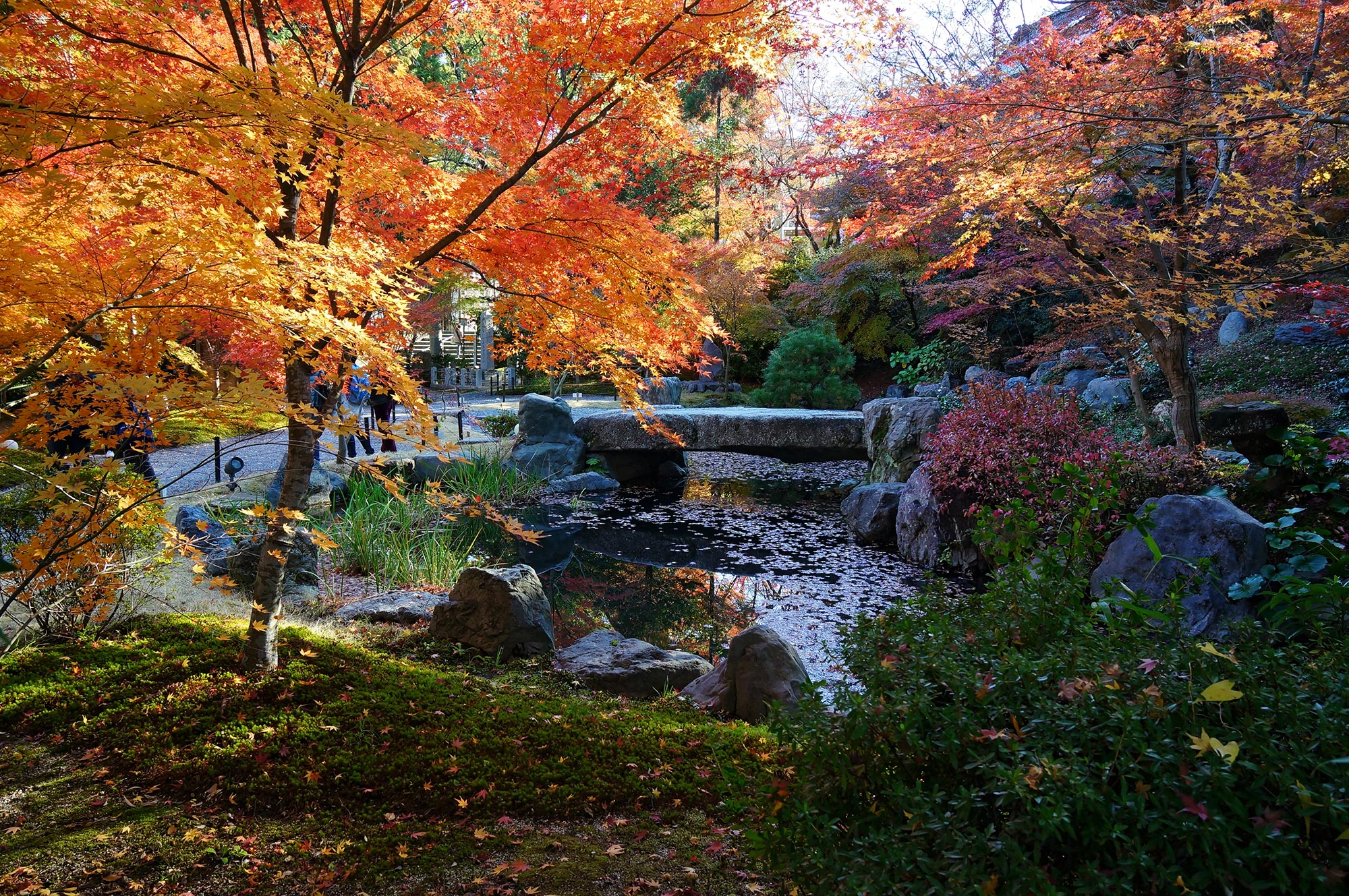
Nagaoka Tenmangu Shrine is dedicated to Sugawara no Michizane, the god of learning. Established in 913, it's renowned for its plum blossoms in the spring and its tranquil atmosphere. The shrine complex features beautiful gardens, traditional architecture, and a sense of calm that contrasts with the more crowded tourist destinations in Kyoto. It's a place where visitors can experience a traditional Japanese shrine and appreciate its cultural significance. While not as widely known as some other Kyoto shrines, it offers a rewarding experience for those seeking a more peaceful and authentic encounter.

This shrine is ideal for those seeking a peaceful and authentic cultural experience, particularly those interested in Shinto shrines, Japanese gardens, or a quiet escape from the city.

Spring (for plum blossoms) and autumn (for fall foliage) are particularly beautiful times to visit.

Weekdays are less crowded than weekends. Mornings are generally quieter and offer a more serene experience. Late afternoons can also be pleasant.

The shrine grounds are generally accessible, with paved pathways. However, some areas may have uneven surfaces or steps. Wheelchair accessibility may be limited in certain buildings.

The shrine grounds offer ample space for children to explore. While there aren't specific play areas, the gardens and open spaces are suitable for gentle exploration. Stroller access is generally good on paved paths.

Pets are generally not allowed inside the shrine grounds.

There are no dedicated food facilities within the shrine grounds. However, Nagaokakyo Station, nearby, offers a variety of dining options. Restrooms are available on site.










Review not found
Let others know your experience here.