 Explore
 Hotel
ExploreHotel
Explore
Hotel
ExploreHotel
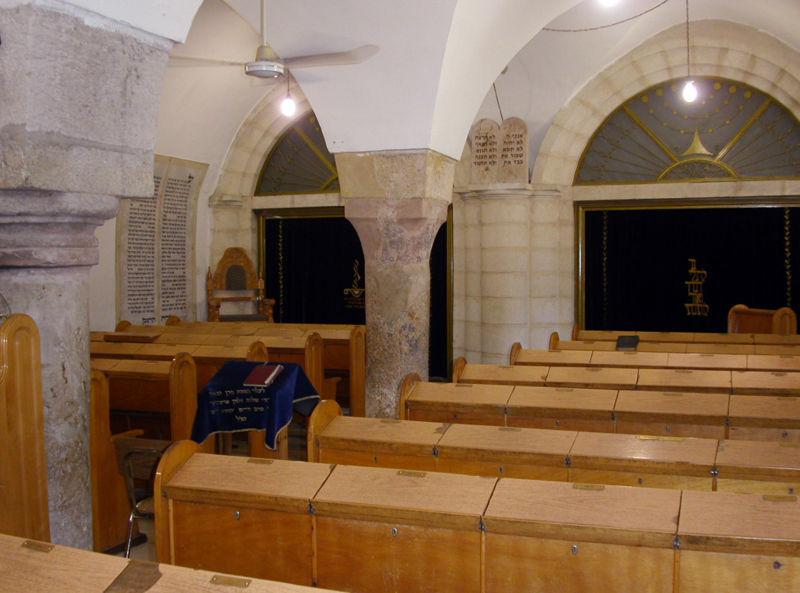
The Ramban Synagogue holds significant historical and religious importance, established by Rabbi Moses ben Nachman (Nachmanides) in 1267 following the return of a Jewish community to Jerusalem after the Crusades. It served as a vital center for Jewish life, particularly after a period of limited Jewish access to the city. The original structure endured damage from an earthquake in the 15th century and was later abandoned before being rediscovered during the restoration of the Jewish Quarter in 1972. Today, it functions as an active synagogue, attracting both worshippers and visitors interested in its historical significance. It is located near the rebuilt Hurva Synagogue and the Menachem Zion Synagogue. The building features a unique Crusader-period architectural style, and a section once mistaken for a projection room is now the women's gallery.

The Ramban Synagogue is best suited for those interested in Jewish history, religious architecture, and spiritual experiences. It appeals to those seeking a more authentic and less touristy experience.

Spring and fall offer pleasant weather for exploring the Old City.

Weekdays are typically less busy than Shabbat (Saturday) or Jewish holidays. Mid-morning or early afternoon are generally less crowded times to visit.

The synagogue is accessed via steps from the plaza, presenting a challenge for those with mobility issues. The interior space is relatively small and may be difficult to navigate with wheelchairs or strollers. There is limited information available regarding specific accessibility features.

The synagogue is not specifically geared towards children, and a respectful demeanor is expected. Stroller access is limited due to the steps and narrow passageways. There are no dedicated changing rooms or children's activities.

Pets are not allowed.

There are no food facilities within the synagogue itself. However, numerous cafes and restaurants are located in the nearby Jewish Quarter.










Review not found
Let others know your experience here.