 Explore
 Hotel
ExploreHotel
Explore
Hotel
ExploreHotel
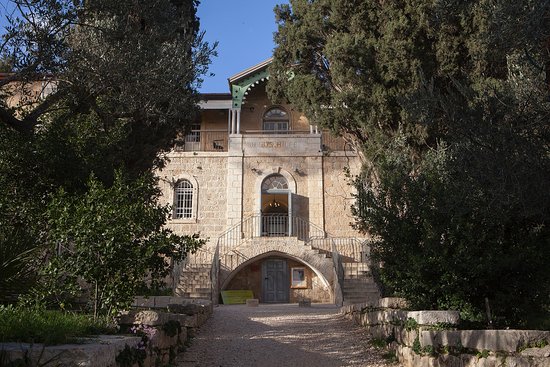
Hansen House began as a hospital for leprosy patients, established by the Moravian Church in the late 19th century. The complex features a large garden and farm animals, originally intended to support the hospital's self-sufficiency. With advancements in leprosy treatment, the hospital closed, and the building was repurposed as a design center and cultural hub. Today, it hosts art exhibitions, a café serving organic food, and a welcoming garden space. The architecture reflects its historical origins, with beautifully restored stone buildings.

Hansen House is ideal for art enthusiasts, history buffs, foodies, and those seeking a tranquil escape from the city. It's also a good option for families and couples looking for a unique cultural experience.

Spring and autumn offer the most comfortable weather for exploring the garden.

Weekdays are generally less crowded than weekends. Mid-morning or early afternoon is recommended to avoid peak café crowds and enjoy pleasant weather in the garden.

The Hansen House grounds are generally accessible, with paved pathways and ramps providing access to many areas. However, some older buildings may have limited accessibility due to historical constraints. Restrooms are available and are generally accessible. It is advisable to contact the center directly for specific accessibility needs.

The garden provides a safe and open space for children to play. The café offers kid-friendly menu options. Stroller access is generally good throughout the grounds. There are no dedicated children's activities or play areas.

Pets are not generally allowed inside the buildings, but may be permitted in the garden on a leash (check with the center directly).

The onsite café, Ofaimme, offers a dairy-based menu with organic salads, sandwiches, and baked goods. There are outdoor seating areas in the garden. Restrooms are available near the café.







Review not found
Let others know your experience here.