 Explore
 Hotel
ExploreHotel
Explore
Hotel
ExploreHotel
Hotel
ExploreHotel
Explore
Hotel
ExploreHotel
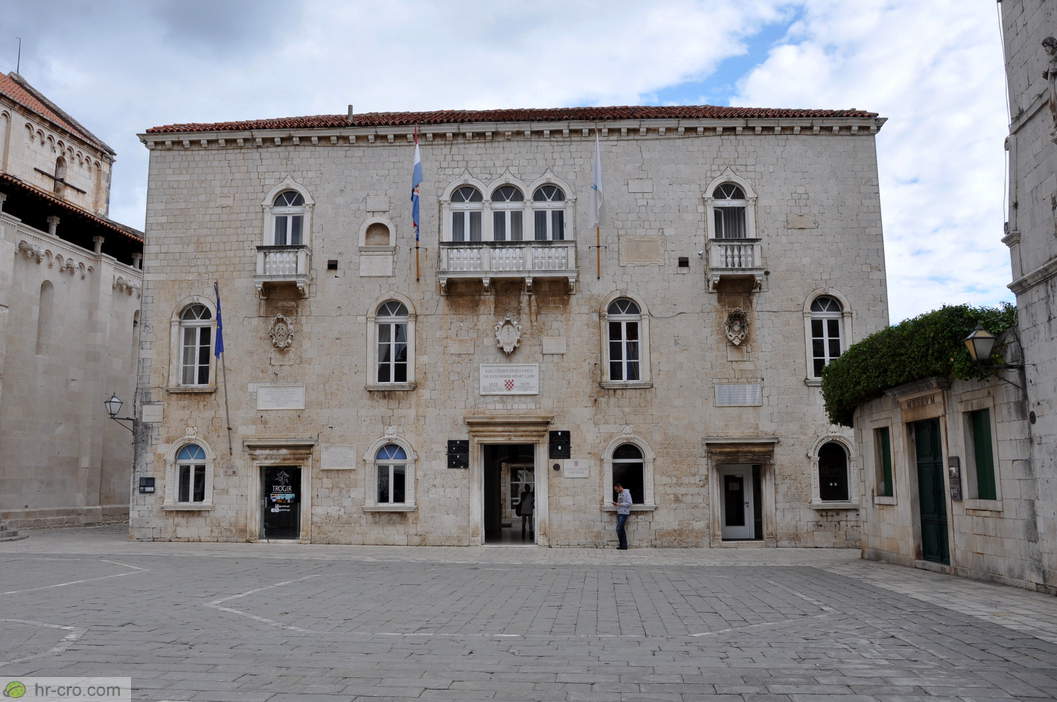
Tourist Board Trogir centers around a remarkably well-preserved medieval core, a UNESCO World Heritage site. The town’s layout reveals a history shaped by Greek, Roman, and Venetian influences, evident in its architecture and urban plan. Visitors appreciate the narrow, winding streets, historic buildings, and the overall charming atmosphere. While the town itself is compact and easily walkable, gaining a deeper understanding of its rich history requires a guided tour, as information offices are often unhelpful and lack detailed resources.

Trogir is best suited for history enthusiasts, architecture lovers, couples seeking a romantic getaway, and travelers interested in experiencing a well-preserved medieval town.

Spring (April-May) and fall (September-October) offer pleasant weather and fewer tourists.

Weekdays are generally less crowded than weekends. Early morning or late afternoon are ideal to avoid crowds and enjoy pleasant temperatures.

The historic center of Trogir presents accessibility challenges due to its narrow, cobbled streets and numerous steps. Wheelchair access is limited, and individuals with mobility issues may find it difficult to navigate certain areas.

While Trogir is visually appealing to children, the uneven streets and lack of dedicated children's facilities may pose challenges for families with young children or strollers.

Pets are generally allowed in outdoor areas, but may be restricted from certain buildings or restaurants.

Numerous restaurants, cafes, and bars are located within the Old Town, offering a variety of dining options. Public restrooms are available, but may require a small fee.






Review not found
Let others know your experience here.