 Explore
 Hotel
ExploreHotel
Explore
Hotel
ExploreHotel
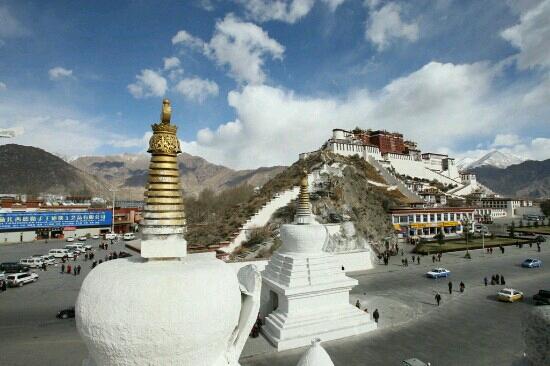
The Monument Imperial Pacification of Tibet is a significant landmark located directly before the Potala Palace in Lhasa. Constructed by the Chinese government, the square and monument commemorate the 1959 takeover of Tibet, referred to by the government as the “Peaceful Liberation.” The monument itself is a modern, granite obelisk set within a vast square. While offering unobstructed views of the Potala Palace, it is a controversial site, often seen as a symbol of Chinese control and a disruption to the traditional Tibetan landscape. The area frequently features Chinese propaganda music and flags.

This site is best for visitors interested in understanding the political context of Tibet, photographers seeking views of the Potala Palace, and those interested in modern Chinese architecture. It may not appeal to those seeking a traditional Tibetan cultural experience.

Spring (April-May) and Autumn (September-October) offer pleasant weather and clear skies.

Weekdays are generally less crowded than weekends. Early morning or late afternoon offer the best light for photography and fewer crowds. Avoid evenings if sensitive to loud music.

The square is generally accessible, with paved surfaces suitable for wheelchairs and strollers. However, Lhasa is at a high altitude, which may pose challenges for some visitors. There are limited facilities for those with disabilities beyond basic access.

The square is suitable for children, with ample space to walk and play. However, there are no dedicated play areas or facilities specifically for children. Supervision is recommended due to the large crowds.

Pets are not allowed.

There are limited food and beverage options directly at the monument. Several restaurants and cafes are available within walking distance in Lhasa.






Review not found
Let others know your experience here.