 Explore
 Hotel
ExploreHotel
Explore
Hotel
ExploreHotel
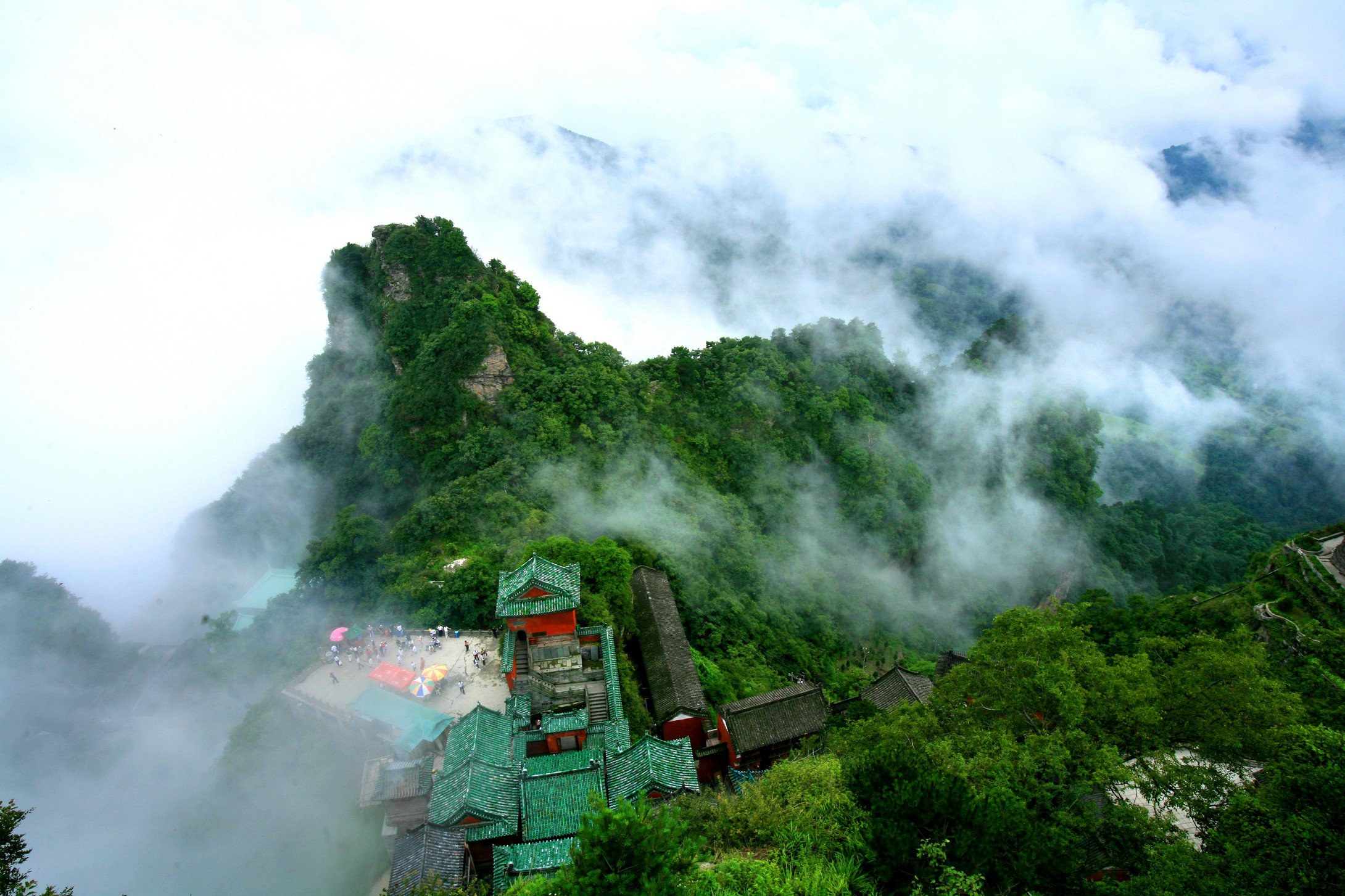
Wudang Mountain is a UNESCO World Heritage site renowned for its historical significance as the center of Taoism and the birthplace of Tai Chi. The area encompasses a range of mountains with numerous temples and palaces, primarily constructed during the Ming Dynasty in the early 15th century. Visitors can explore these ancient structures, hike through scenic landscapes, and experience the spiritual atmosphere that permeates the region. A free shuttle bus system facilitates access to various points along the mountain, including a cable car offering panoramic views. The area blends religious practice with a steady stream of tourism, offering a unique cultural experience.

Wudang Mountain is best suited for travelers interested in history, culture, Taoism, Tai Chi, and natural beauty. It appeals to those seeking a spiritual or contemplative experience.

Spring and autumn offer pleasant weather for hiking and exploration.

Weekdays are generally less crowded than weekends. Early morning is recommended to avoid crowds and enjoy the serene atmosphere.

The mountain area is accessible via a free shuttle bus system and a cable car. However, exploring the temples often involves significant walking and uneven terrain, which may pose challenges for individuals with mobility issues. Walking sticks are recommended for those with knee problems.

While the historical and spiritual aspects may not fully engage younger children, the scenic beauty and cable car ride can be enjoyable for families. Stroller access is limited due to the terrain. Restrooms are available, but changing facilities may be limited.

Pets are generally not allowed inside temples or on the shuttle buses.

The mountain area offers a variety of restaurants and tourist markets with food options. Picnic areas are not explicitly mentioned, but opportunities for informal snacking may exist.







Review not found
Let others know your experience here.