 Explore
 Hotel
ExploreHotel
Explore
Hotel
ExploreHotel
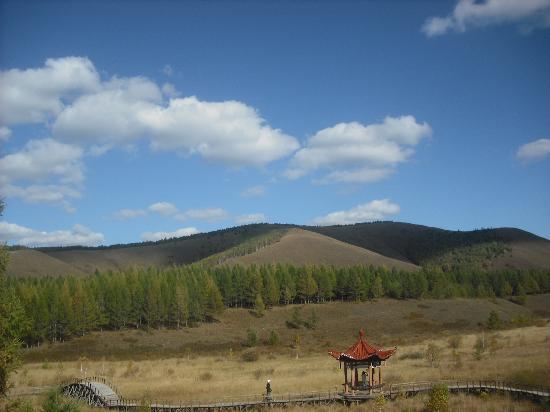
Saihanba National Forest Park is a remarkable testament to ecological restoration. Originally part of the royal hunting grounds during the Qing dynasty, the area suffered extensive deforestation, transforming into a desert landscape. Beginning in the 1960s, a massive reforestation project was undertaken, resulting in the expansive forests and grasslands visitors experience today. The park spans a considerable area, divided into three distinct zones: a natural southern zone, a heavily forested central zone, and a more open, less developed northern zone extending into Inner Mongolia. At an altitude of approximately 1600 meters, the park offers comfortable summer temperatures and potential for winter skiing.

Nature enthusiasts, hikers, photographers, and those seeking a peaceful escape from urban life. Families with older children who enjoy outdoor activities will also appreciate the park.

Late July/August for lush grasslands; October for vibrant autumn colors; Winter for skiing.

Weekdays are generally less crowded than weekends. Early morning or late afternoon offer the best light for photography and wildlife viewing.

Accessibility is limited outside of the main visitor areas. The park's terrain is varied, with grasslands, forests, and hills, presenting challenges for those with mobility issues. Driving is essential for accessing many parts of the park, and roads may be unpaved in some areas.

The park offers opportunities for outdoor exploration, but facilities specifically geared towards children are limited. Horse riding is available, but parental supervision is required. Stroller access is restricted to paved areas.

Information not available.

Food options within the park are limited. Visitors are advised to bring their own food and water, especially when exploring remote areas. Restrooms are available at the main entrance and some visitor centers.







Review not found
Let others know your experience here.